
Deep Venous Thrombosis Popular Science Series II
Release time:
2022-05-20
Source:
Deep Venous Thrombosis Popular Science Series II
Deep Venous Thrombosis Popular Science Series II
nerve stimulation
part of the nervous system that is therapeutically activated or regulated--It has a unique place between surgery and medical treatment. Similar to surgery, neurostimulation targets specific anatomical sites. However, unlike surgery, nerve stimulation is adjustable and reversible, while the stimulation device can be turned off when necessary, and the systemic adverse effects of medication can be avoided.
Scientific backtracking |NMESTechnology History
A Stunning Beginning
The beginnings of neurostimulation can be traced back to ancient Egyptian times, and some sculptures suggest that ancient Egyptians may have used electric fish to treat diseases. Electrical stimulation of pain first in AD46years by doctors and pharmacologists of RomeScribonius LargusDescription, he said the ray impact of electric fish can be used to relieve headaches and gout.
[Electricity for a lifetime]Galvani of frog legs
In 1780, a 43-year-old Italian anatomist, Galvani, was dealing with a patient's wound when he stumbled upon a copper wire touching the injured tissue and an electric spark flashed instantly. Therefore, Galvani designed a frog anatomy experiment: he held different metal instruments in his hands and touched the frog's thigh at the same time, and the frog's leg muscles immediately twitched. Galvani would call it "animal electricity".
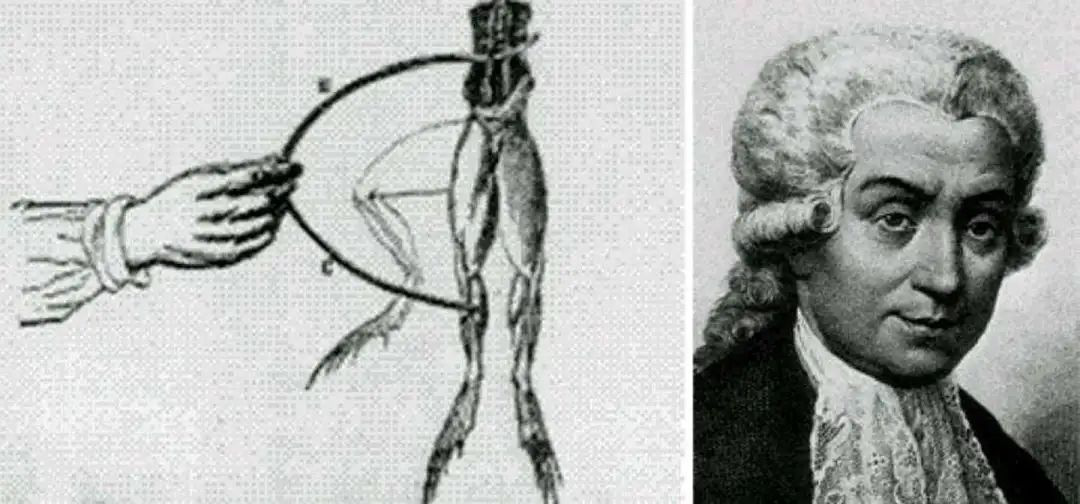
According to Galvani,"Animal electricity" is not external electricity, but the animal itself has.
Reddy's[myoelectric fierce fish]
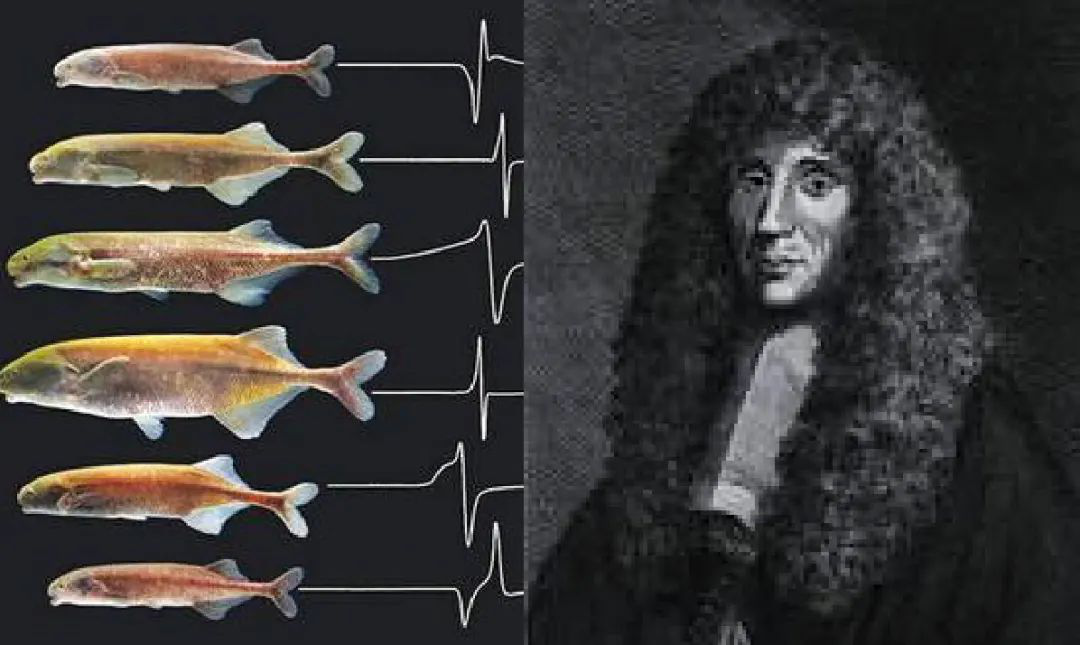
In the middle of the 17th century, Redi found a connection between muscle contraction and power generation in "power fish. Take electric eel power generation as an example: some muscle cells of electric eel have strong contraction ability, and the protein distribution law of cell membrane is peculiar. It is a proprietary power generation cell. The power generation cell can push ions through the cell membrane and form a large amount of positive charge current.
Still on the cutting edge[microelectrode]Technology
Between 1939 and 1960, electrophysiological research came to the era of microelectrodes. Walter Lippmann used microelectrode technology to capture the action potential of a single myocardial cell as early as 1950. Microelectrodes are divided into invasive, non-invasive, common materials are metal, glass, silicon-based.
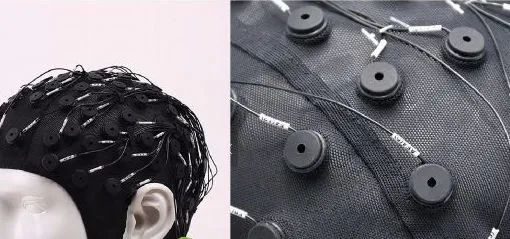
Microelectrode technology has epoch-making significance. The emergence of microelectrode technology is a necessary condition for electrophysiology to move towards refinement. Cardiac pacemakers, brain wave analysis recorders, and nano-robots are all realized by microelectrode technology.
Professional explanation |NMES
NMES | Neuromuscular Electrical Stimulation
Neuromuscular electrical stimulation therapy (NMES) is a method that uses low-frequency pulse current to stimulate nerve or muscle contraction to achieve therapeutic effect.
A large number of animal experiments and human experiments have shown that after neuromuscular electrical stimulation, the pump effect of muscle contraction can enhance muscle blood circulation, reduce edema, prevent muscle atrophy, and prevent fibrosis, sclerosis and spasm.

Electrical stimulation, the first activation of motor nerve, motor nerve is stimulated to produce nerve impulse, nerve impulse conduction to the muscle can cause muscle contraction.The motor nerve impulses caused by NMES are consistent with the impulses sent by the brain to the motor nerve in active movement,So it works on muscles like exercise,Can be used to strengthen local blood circulation, enhance muscle strength.
The Great Change
Previous neuromuscular electrical stimulation therapy is morePrevention and treatment of muscle disuse muscle atrophy, increase or maintain joint mobility and other medical fields. The company's independent research and development of productionDewefor®Neuromuscular electrical stimulator,addedNMES technology in the prevention of deep vein thrombosis (DVT) formation, prevention and resolution of edema and wound healing and other clinical applications.
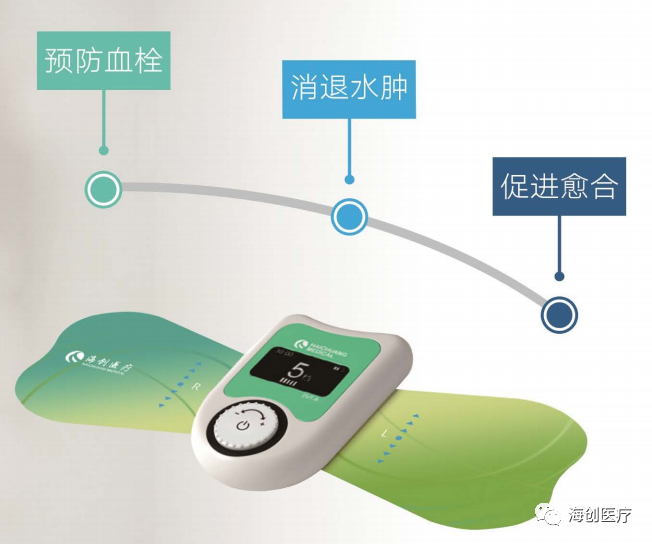
NMESStimulating the common peroneal nerve to prevent deep vein thrombosis technology is mature, there are many literatures at home and abroad in the efficiency and effect of evidence-based medicine, can replace other physical means, as aDVTNew means of prevention:
1) NICE Technical Guide certification in 2014-stating that it is possiblereduce the risk of venous thromboembolism by preventing and reducing venous obstruction;2) FDA certification in 2018-notedStimulate the calf muscles immediately after operation, which can effectively prevent deep vein thrombosis;
3) Guidelines for Prevention and Care of Venous Thromboembolism in China and2021The Expert Consensus on Preventive Care and Management of Venous Thromboembolism in Hospitalized Patients, published in the PLA Journal of Nursing inNMESEffectiveness of stimulation techniques for the prevention of deep vein thrombosis.
Selection and function of parameters
Modern physical therapy believes that:1-10Hz to stimulate the general motor nerve, can cause a single muscle contraction, without fatigue; 1-10Hz stimulation can be excitedThe sympathetic nerve in the autonomic nerve.Dewefor®neuromuscular electrical stimulatorStimulation frequency1Hz,Can avoid lower limb muscle fatigue. In27mA current intensity and 50-560μs pulse width, can ensure the comfort of the user, effectively improve the blood flow velocity.

(Mean Peak Blood Flow Velocity)

(Comfort Rating)
Previous Page
Related News

A technology-based enterprise focusing on R&D and production of innovative medical consumable products
MessageAddress:
F1, Building 3, No. 509, Hongfeng Road, Linping, Yuhang Economic Development, Hangzhou, Zhejiang
TEL:
E-mail:
Copyright©2020 Zhejiang Haichuang Medical Equipment Co., Ltd. Powered by www.300.cn